Prenatal & Postpartum Care - Pregnancy Chiropractic

Why is chiropractic care essential during pregnancy?​

During pregnancy, hormone production makes the joints less stable (in order to allow the pelvis to adapt as the baby grows in size). Typical weight gain of 11-16 kg during pregnancy increases the weight at the abdomen area. These changes may increase emotional stress, cause a shifting in the center of gravity and postural strain to the pregnant mother. 

What is Webster Technique?

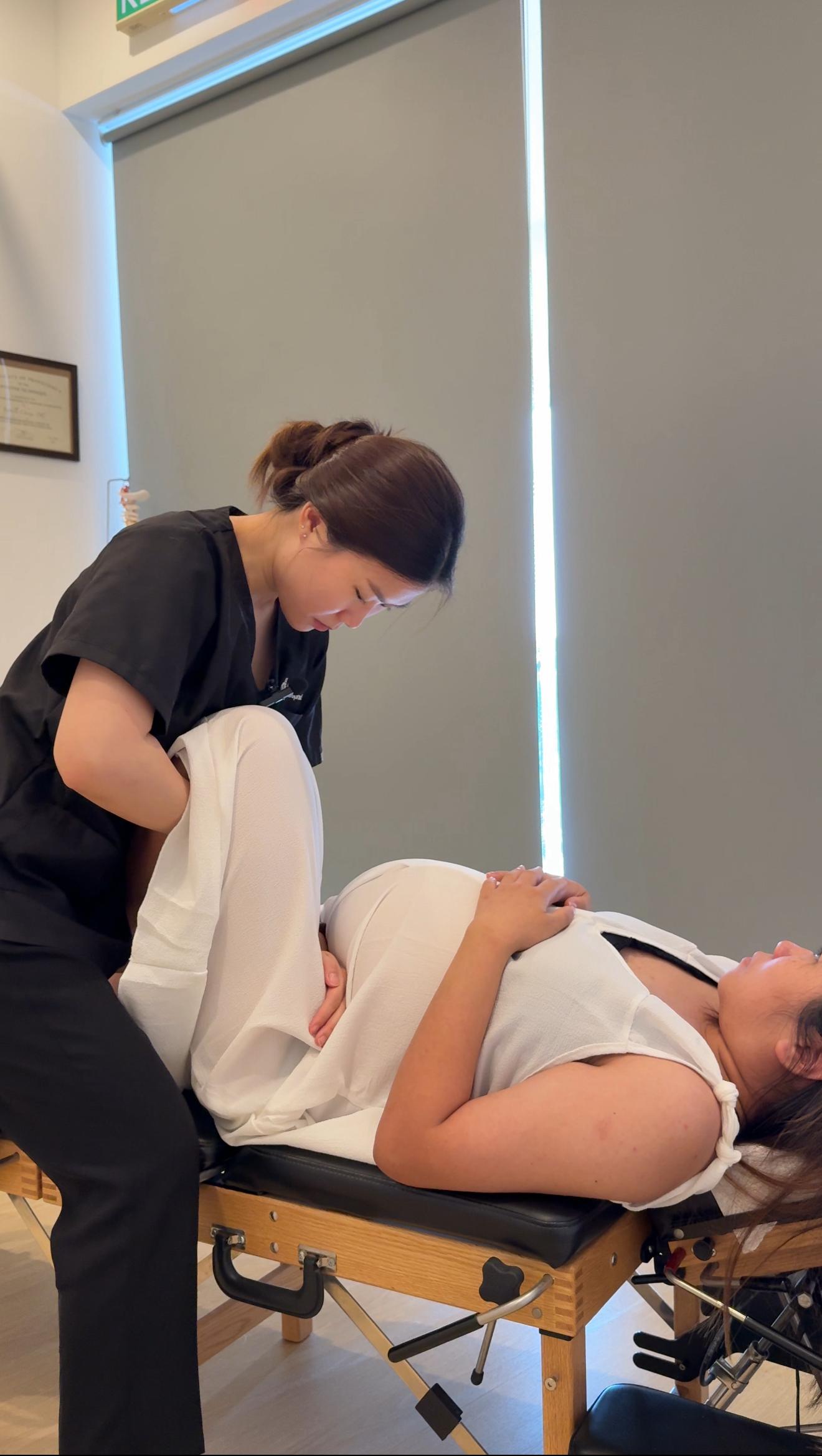
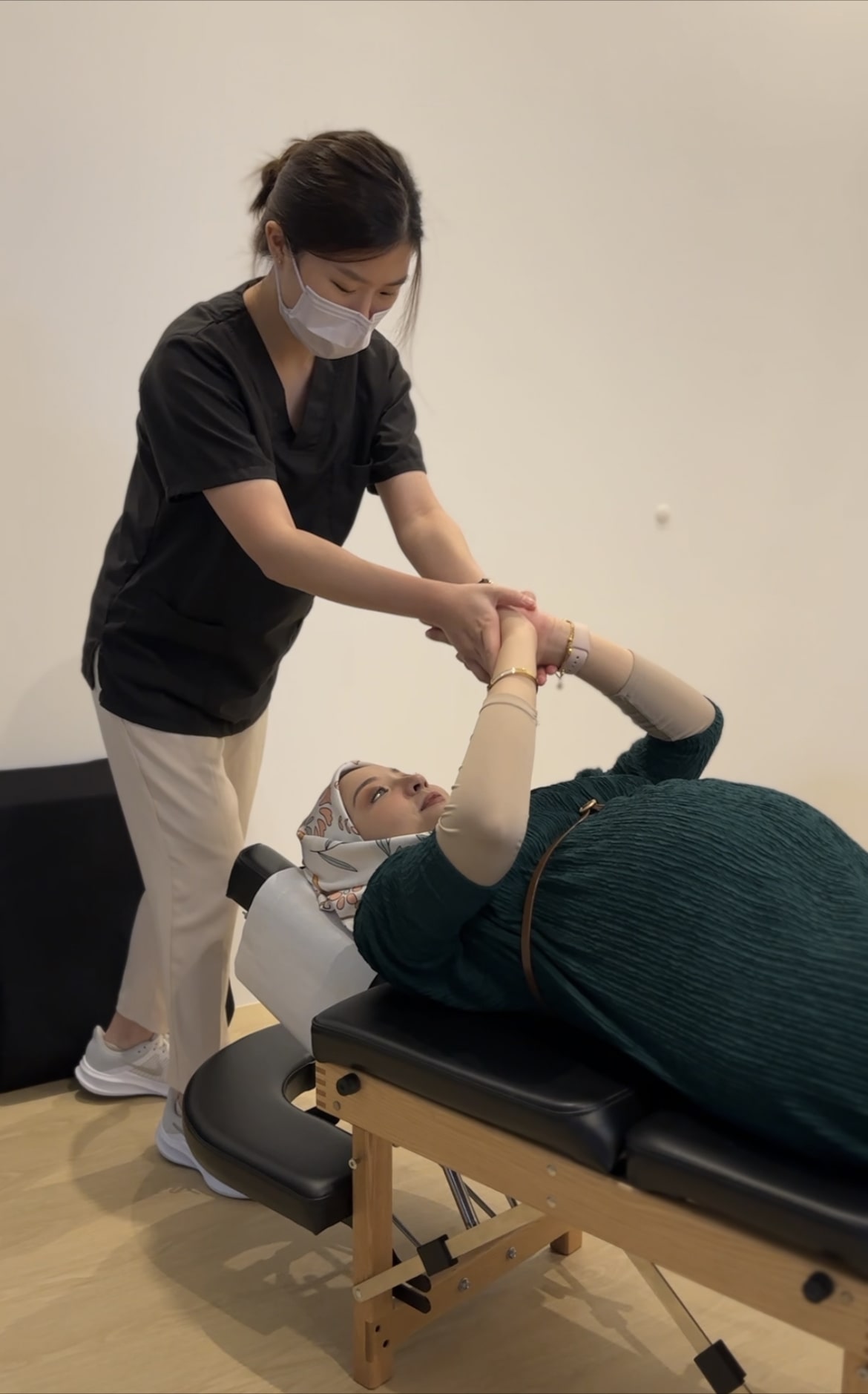
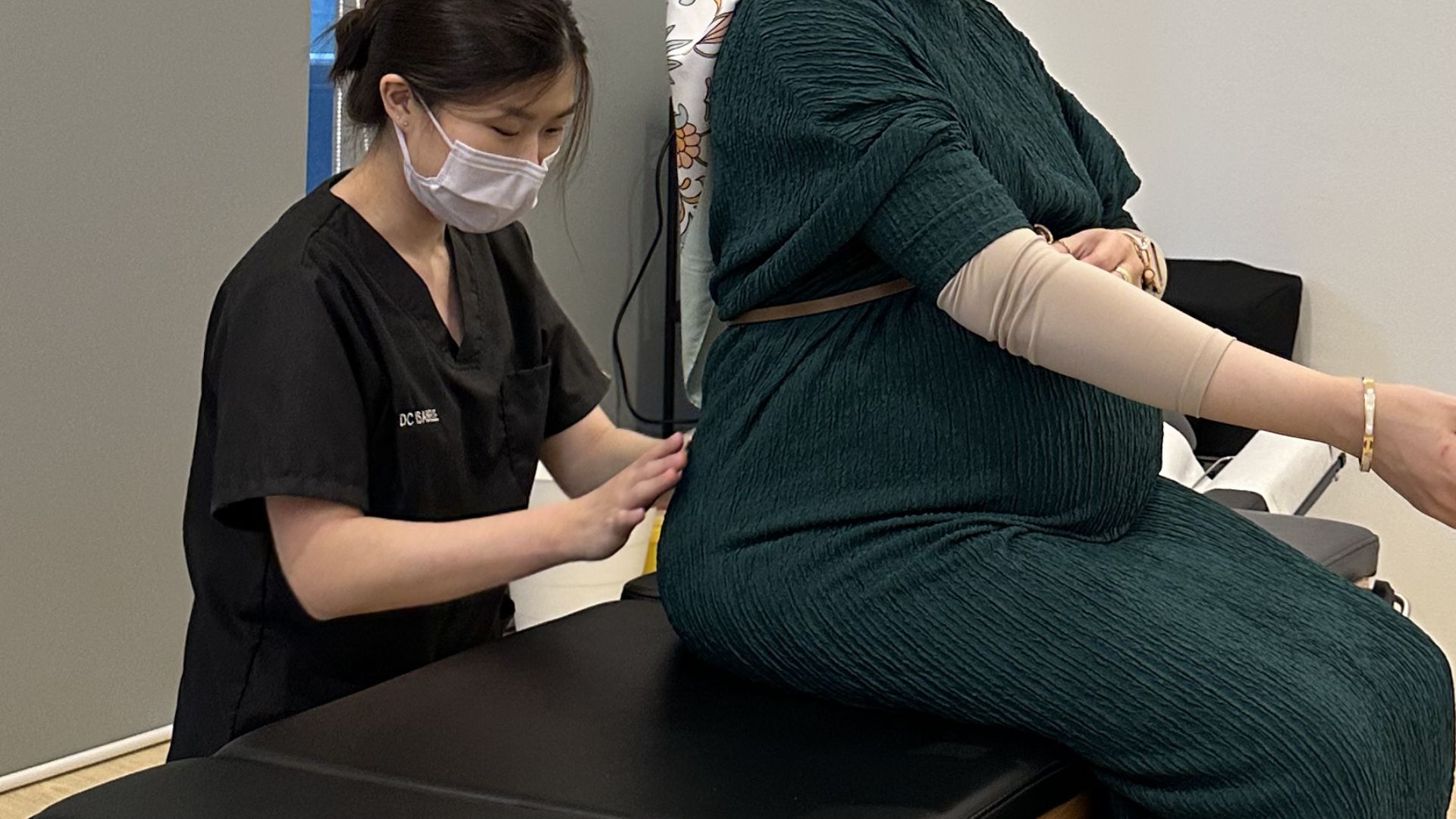
Webster Technique is a safe and gentle chiropractic technique, recognised by ICPA (International Chiropractic Pediatric Association), which specifically helps to reduce nervous system stress, reduce misalignment of the pelvis and improve functions of muscles and ligaments for the pregnant mother. This technique may help to create a bigger space for the baby to move in the womb, therefore enhancing the chances of optimal fetal position and a smoother delivery process.

Studies have shown that through Webster Technique, pregnant mothers are found to have:

  • Better sleep quality
  • Improved emotions and reduced stress
  • Reduced nausea 
  • Improved frequent urination
  • Better movement
  • Reduced pain
  • Easier and safer delivery
Our experienced female chiropractor specializes in providing pregnancy chiropractic care, utilizing the highly effective Webster Technique to ensure optimal health and comfort for pregnant women.
 
WhatsApp Image 2025-06-26 at 19.19.51

Case Studies

21 Weeks Pregnant with Pelvic Pain and Difficulty Walking

A 32-year-old office worker visited us at 21 weeks pregnant due to worsening pelvic pain, along with pulling pain down the side of hip. The pain made it uncomfortable to walk, sit for long periods at work, and turn in bed at night. She was also experiencing frequent waking, bloating and fatigue throughout the day.

Result

After just 3 visits, her pain improved significantly. She was able to walk normally again, move comfortably around the office and carry out her daily activities with much less discomfort.

14 Weeks Pregnant with Persistent Headaches and Neck Pain

A 29-year-old first-time mother sought care at 14 weeks pregnant after experiencing persistent headaches and neck pain.

The discomfort was centred around the base of her neck and upper back and often triggered headaches throughout the day. She had already tried stretching, mobility exercises and rest, but the symptoms continued. Unlike typical muscle soreness, the pain did not improve overnight and she often woke up with the same headache and neck stiffness the next morning.

Result

After just one session, she reported approximately 50% improvement in both her headache intensity and neck pain. Daily activities became more comfortable and she was able to move with significantly less discomfort.

Frequently Asked Questions

1. Will it be painful to lie face down during treatment?

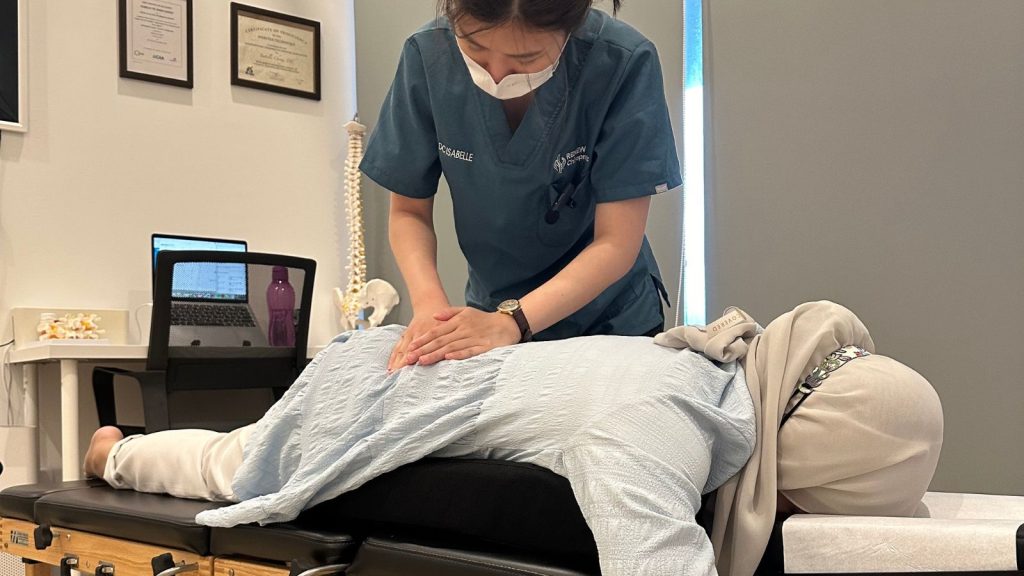
Not at all. We use a specialised pregnancy chiropractic pillow that safely accommodates your growing baby bump, allowing many mothers to lie face down comfortably without pressure on the abdomen.

In fact, many mums find this position surprisingly relieving, as it helps reduce pressure on the lower back and pelvis. Some even tell us it’s the most comfortable they’ve felt in weeks!

2. When should I start prenatal chiropractic care?

You can start prenatal chiropractic care at any stage of pregnancy, including the first trimester.

Many mothers choose to begin care early in pregnancy to help maintain pelvic balance, reduce discomfort and support their changing body throughout the pregnancy journey.

3. Can Webster Technique help if my baby is breech?

Webster Technique is not a treatment for breech presentation and does not manually turn babies.

However, by helping improve pelvic balance and reducing tension around the pelvis and supporting structures, it may help create a more favourable environment for the baby to move naturally.

4. Will chiropractic adjustments harm my baby?

No. Pregnancy chiropractic care uses techniques specifically modified for pregnant mothers. The treatment is gentle and designed to support the mother’s comfort and mobility while keeping both mother and baby safe.